Export Beetroot UK→Belgium: 2026 Compliance Checklist
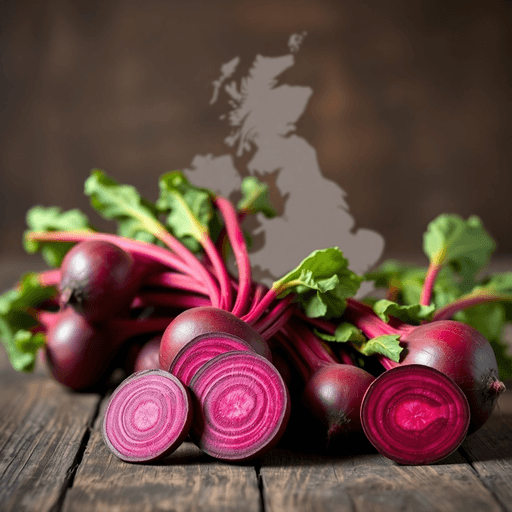
Exporting beetroot from the UK to Belgium in 2026 presents a dynamic opportunity shaped by evolving trade landscapes and regulatory frameworks. The beetroot export from UK to Belgium remains a significant segment within the broader category of UK food exports to the EU, reflecting both traditional trading links and emerging market demands.
Key considerations for anyone involved in beetroot export UK to Belgium include understanding the impact of post-Brexit regulations that govern customs procedures, product standards, and certification requirements. Compliance with these new rules is essential to ensure smooth border crossings and avoid costly delays or rejections.
Belgium serves as a critical gateway into the European market, with robust demand for fresh beetroot and related products like beetroot juice. This demand stems from:
- Growing consumer interest in healthy eating and superfoods.
- Increasing use of beetroot varieties for export in food manufacturing and culinary sectors.
- Expansion of the bulk beetroot export Belgium trade channel catering to wholesalers and processors.
Developing a solid beetroot export business plan must incorporate awareness of classification under the relevant beetroot HS code export, which affects tariff rates and documentation.
The beetroot juice market Europe is another growth area, driven by nutritional trends that complement traditional fresh produce sales. Positioning your exports effectively requires a strategic approach to quality, packaging, and regulatory adherence.
In summary:
- The UK-to-Belgium beetroot trade continues to expand despite post-Brexit challenges.
- Strict compliance with updated regulations is non-negotiable for successful entry into Belgian and EU markets.
- Market potential exists across fresh beetroot varieties and processed products, supported by evolving consumer preferences.
Understanding these elements lays the foundation for navigating the complex environment of exporting beetroot from UK to EU in 2026.
Understanding the Beetroot Market Between the UK and Belgium
The beetroot market in Belgium is showing consistent demand thanks to health-conscious consumers and culinary trends that are embracing root vegetables. Across Europe, beetroot consumption has been steadily increasing due to its nutritional benefits, such as being high in fiber, vitamins, and antioxidants. This growing awareness is driving an expanding market for fresh beetroot, processed beet products, and convenient options like pre-cut or pickled beetroot.
Current Demand and Consumption Trends for Beetroot in Belgium and Europe
Here are some key trends regarding the demand and consumption of beetroot in Belgium and Europe:
- Belgium’s love for fresh vegetables keeps beetroot in steady demand throughout the year.
- There are seasonal peaks during autumn and winter when traditional recipes that use beetroot as a main ingredient come into play.
- European consumers are increasingly looking for locally sourced yet high-quality imports, which presents opportunities for trusted suppliers outside the EU, such as the UK.
- Processed beetroot products also contribute to the overall market volume, particularly in health food sectors.
Key Belgian Importers and Wholesale Buyers of UK Beetroot
Belgian importers who specialize in fresh produce consistently source from various international partners. Several wholesalers actively engage with UK exporters because of:
- Proximity reducing transit times compared to more distant suppliers.
- Established trade relationships built before Brexit that continue under new agreements.
- The reliability of UK beetroot suppliers adhering to quality standards demanded by Belgian buyers.
Important players include:
- Large-scale fruit and vegetable wholesalers based in Antwerp and Brussels.
- Distributors servicing retail chains, foodservice providers, and specialized health food stores.
Engaging with these buyers often requires thorough knowledge of beetroot export licence UK requirements and compliance with packaging norms preferred by Belgian distributors.
Opportunities for UK Suppliers in the Belgian Market
UK beetroot farming benefits from advanced agricultural practices ensuring consistent quality output. Exporters can leverage:
- Competitive costs of production relative to some continental suppliers.
- Short transport distances enabling fresher deliveries which appeal to Belgian wholesalers focused on product shelf life.
- Opportunities to supply niche markets looking for organic or specialty varieties cultivated in the UK.
With Brexit-related changes impacting UK vegetable exports to Belgium, proactive compliance with regulations offers a competitive edge. Wholesalers increasingly value exporters who can handle customs paperwork swiftly while maintaining product integrity during shipping.
Exporters should consider:
- Optimizing beetroot export costs UK to Belgium by selecting efficient logistics partners.
- Securing necessary certifications early to avoid border delays.
- Building direct contacts with key Belgian importers who prioritize reliable supply chains.
UK suppliers positioned as dependable partners can expand their footprint within this growing European market segment. The combination of favorable agricultural conditions in the UK and increasing European demand creates a promising environment for wholesale beetroot export from the UK into Belgium.
This sets the stage for navigating regulatory frameworks critical for seamless trade operations moving forward.
Regulatory Framework for Beetroot Export from the UK to Belgium in 2026
Exporting beetroot from the UK to Belgium requires strict adherence to regulatory frameworks shaped by post-Brexit trade arrangements. Understanding these rules is vital for compliance and smooth customs clearance.
Post-Brexit Trade Agreements Impacting Food Exports
The Trade and Cooperation Agreement (TCA) between the UK and the EU defines the terms for food exports, including vegetables like beetroot. Key points include:
- Tariff-free access to the EU market for qualifying products.
- Compliance with EU sanitary and phytosanitary standards.
- Requirements to provide evidence of origin and compliance documentation.
The TCA sets the foundation for what exporters must meet when shipping beetroot from the UK to Belgium.
Rules of Origin Criteria for Beetroot Exports
To benefit from tariff-free trade under the TCA, beetroot exports must satisfy rules of origin conditions:
- The beetroot should be wholly obtained or grown in the UK.
- If processed, sufficient value-added criteria must be met within the UK.
- Exporters need valid proof of origin documentation demonstrating that the produce qualifies as UK-origin.
Failure to comply with rules of origin will result in tariffs being applied upon entry into Belgium.
Customs Procedures and Regulatory Compliance Post-Brexit
Brexit introduced new customs formalities affecting vegetable exports:
- Customs Declarations: Exporters must submit detailed declarations through HMRC’s Customs Handling of Import and Export Freight (CHIEF) system or its successor, CDS (Customs Declaration Service).
- EORI Numbers: Both UK exporters and Belgian importers require Economic Operators Registration and Identification (EORI) numbers for customs processing.
- Certificates: Specific Marketing Standards certificates and phytosanitary certificates must accompany shipments.
- Border Checks: Inspections on arrival in Belgium verify compliance with plant health regulations and marketing standards.
Changes have increased paperwork and administrative requirements compared to pre-Brexit trade. Planning for these steps prevents delays at Belgian border points.
This regulatory overview highlights essential legal frameworks shaping how you export beetroot from the UK to Belgium. Meeting these requirements safeguards your shipments against unexpected tariffs or customs hold-ups.
Quality and Marketing Standards Compliance for Beetroot Exports
Exporting fresh beetroot from the UK to Belgium requires strict adherence to marketing standards for beetroot export set by EU regulations. These standards ensure that the produce meets quality, size, presentation, and labelling criteria demanded by Belgian importers and consumers. Failure to comply can result in shipment delays, rejection at EU borders, or financial losses due to non-compliance penalties.
Specific Marketing Standards (SMS) for Fresh Beetroot
The EU’s Specific Marketing Standards (SMS) for fresh vegetables apply directly to beetroot exported from the UK into Belgium. These standards cover:
- Quality grading: Beetroots must be free from defects such as rot, bruising, or deformation. They should have a uniform shape and size appropriate for their commercial category.
- Size classification: Beetroots are classified according to diameter or weight ranges defined in EU marketing standards, helping buyers select consistent products.
- Presentation: The produce must be clean, properly packed, and without foreign matter.
- Labelling requirements: Labels must clearly display the product name, origin (UK), packer/exporter details, net weight, and class quality. This information supports traceability and consumer confidence.
Meeting these SMS criteria is essential not only for satisfying Belgian market expectations but also for compliance with EU import rules for vegetables from UK.
Certificate of Conformity for Beetroot Export
A vital document supporting compliance with marketing standards is the certificate of conformity for beetroot export issued by GB authorities such as the Horticultural Marketing Inspectorate (HMI) in England and Wales or Science and Advice for Scottish Agriculture (SASA). This certificate confirms that:
- The batch meets all relevant marketing standards.
- Labelling is accurate and complies with EU norms.
- Packaging adheres to prescribed guidelines.
Customs clearance in Belgium and throughout the EU depends heavily on presenting this certificate alongside other export documentation. Without it, shipments risk being delayed or rejected at border inspection points.
Role of UK Authorities in Certification
GB authorities hold Approved Inspection Service (AIS) status recognized by the EU. This status authorizes them to issue certificates of conformity valid across EU member states including Belgium. The certification process involves:
- Pre-export inspections conducted at packing facilities or farms.
- Verification against SMS criteria.
- Issuance of official documentation confirming compliance.
This framework simplifies trade by reducing duplication of checks within the EU while maintaining stringent quality control on imported UK produce.
Additional Considerations
- Use the correct commodity code beetroot when declaring goods via HMRC systems; this ensures proper tariff application and statistical tracking.
- Although tariffs on beetroot UK to EU may currently be zero under the Trade and Cooperation Agreement if rules of origin are met, accurate documentation proving origin remains mandatory.
- Tracking beetroot export statistics UK helps exporters monitor market trends and adjust supply strategies accordingly.
Successful navigation of marketing standards combined with certified quality assurance builds trust among Belgian buyers—an essential factor in sustaining long-term business relationships within the competitive EU vegetable market.
Phytosanitary Requirements and Plant Health Standards for Exporting Beetroot to Belgium
Exporting beetroot from the UK to Belgium in 2026 requires strict compliance with phytosanitary requirements set by the European Union. These regulations ensure that plant health standards are met, preventing the introduction and spread of pests and diseases across borders.
Necessity of a Phytosanitary Certificate for Beetroot Export
A phytosanitary certificate for beetroot export is mandatory when shipping fresh beetroot to Belgium. This official document confirms that the consignment has been inspected and complies with EU plant health regulations. The certificate is issued by authorised UK bodies such as the Animal and Plant Health Agency (APHA).
Key points about obtaining this certificate:
- Application: You must apply through APHA or your local plant health authority ahead of export.
- Inspection: Prior to issuance, an inspection of the beetroot consignment takes place to check for signs of pests or diseases.
- Validity: The certificate remains valid only for a limited period after issuance, usually 14 days.
- Documentation: The phytosanitary certificate accompanies the shipment throughout transit and is presented at Belgian customs.
Without this certificate, your beetroot shipment risks being delayed, rejected, or destroyed upon arrival in Belgium due to non-compliance.
Plant Health Standards at Belgian/EU Entry Points
Belgian ports and border inspection posts enforce EU-wide plant health standards for imported vegetables, including beetroot. These protocols help maintain high safety levels and protect local agriculture.
Procedures include:
- Document verification: Customs officials first check phytosanitary certificates and related paperwork.
- Physical inspection: Random samples of consignments undergo detailed examination for pests, fungal infections, or contaminants.
- Laboratory analysis: If initial inspections raise concerns, samples may be sent for laboratory testing.
- Compliance enforcement: Non-compliant shipments might be subject to treatment, rejection, or destruction according to EU regulations.
Challenges Exporting Beetroot from UK Related to Plant Health
The changing landscape after Brexit presents challenges in meeting strict plant health standards:
- Increased scrutiny at borders causes delays.
- Differences in inspection protocols compared to pre-Brexit times require exporters to stay updated.
- Handling perishability during extended border checks demands efficient cold chain management.
- Maintaining traceability from farm to export point becomes critical to satisfy inspection requirements.
Monitoring Beetroot Health Trends in Europe
Being aware of emerging beetroot health trends in Europe supports compliance efforts:
- Rising concerns about pesticide residues influence permissible treatments before export.
- Interest in organic and sustainably grown beetroots prompts exporters to adapt practices accordingly.
- Increasing demand for high-quality produce elevates expectations around pest-free consignments.
Understanding these trends helps exporters align production with market demands while fulfilling phytosanitary obligations.
Meeting phytosanitary requirements ensures your beetroot exports clear Belgian borders without unnecessary obstacles. Proper certification combined with preparation for inspections safeguards your shipments and reputation in the competitive EU vegetable market.
Export Documentation Essentials for Smooth Customs Processing of Beetroot Shipments to Belgium
Exporting beetroot from the UK to Belgium requires strict adherence to documentation protocols to ensure swift customs clearance. The HMRC export declaration for beetroot shipments is a mandatory step in this process. This declaration provides detailed information about the consignment including product description, origin, value, and destination. It must be submitted electronically through HMRC’s Customs Declaration Service (CDS) before the goods leave the UK.
Key Documents Required for Beetroot Exports
- Commercial Invoice: Details the transaction between exporter and importer, including quantity, price, and terms of sale.
- Packing List: Specifies packaging details and contents of each package.
- Certificate of Conformity: Confirms compliance with Specific Marketing Standards (SMS) as issued by UK authorities such as HMI or SASA.
- Phytosanitary Certificate: Verifies that plant health requirements have been met.
- HMRC Export Declaration: Filed via HMRC systems to declare the shipment officially for export.
Each document plays a critical role in ensuring Belgian customs can verify compliance with EU regulations under the UK EU Trade and Cooperation Agreement food provisions.
EORI Number Requirements
Both the UK exporter and the Belgian importer must have valid Economic Operators Registration and Identification (EORI) numbers.
- The EORI number UK exporter enables registration with HMRC and is essential for submitting customs declarations.
- The EU importer EORI Belgium number is required for import clearance within Belgium and other EU countries.
Without these numbers, customs clearance may be delayed or refused, causing disruption in supply chains.
Customs Declaration UK to Belgium Process
The export process involves submitting a complete customs declaration via HMRC’s CDS platform:
- Register for an EORI number if not already held.
- Prepare detailed shipment information including commodity codes (HS codes) specific to fresh beetroot.
- Submit the export declaration with supporting documentation attached or referenced.
- Await release notification from HMRC confirming clearance for shipment exit from the UK.
Belgian customs will then handle import formalities using the EU importer’s EORI number and accompanying documents.
Importance of Accurate Documentation
Incomplete or incorrect beetroot export documentation can cause:
- Delays at border checkpoints
- Additional inspections
- Risk of fines or shipment rejection
Maintaining accuracy guarantees compliance with both UK food export customs Belgium rules and facilitates smooth transit under post-Brexit regulatory frameworks.
Proper understanding and preparation of these export documentation essentials empower you to navigate the complexities introduced by Brexit seamlessly while capitalizing on market opportunities in Belgium’s fresh produce sector.
Logistics, Packaging, Costs, and Profitability Analysis of Exporting Fresh Beetroot from the UK to Belgium
Exporting fresh beetroot from the UK to Belgium requires careful consideration of packaging and logistics. These factors directly impact product quality upon arrival, cost-effectiveness, and ultimately the profitability of your export operations.
Best Practices in Packaging Fresh Beetroots for Export
Beetroot packaging is crucial in preserving freshness and extending shelf life during transportation. Here are some effective packaging strategies to consider:
- Use of breathable materials: Packaging should allow for sufficient airflow to prevent moisture buildup that leads to decay or mold. Common choices include perforated plastic bags or mesh sacks.
- Individual wrapping or cushioning: To prevent bruising during handling, beetroots can be individually wrapped in tissue paper or cushioned with soft fillers within cartons.
- Appropriate carton sizing: Cartons must strike a balance between capacity and weight to minimize damage from pressure without excessive empty space which can cause movement and impact damage.
- Labeling for traceability: Clear labels including origin, batch number, and export date facilitate compliance with regulatory requirements and quality control.
Packaging designed around these principles helps maintain optimal moisture levels and physical protection, which are critical for fresh produce like beetroot.
Cold Chain Management Essentials
Maintaining a consistent cold chain throughout the road freight journey between the UK and Belgium is essential:
- Temperature control: The ideal storage temperature for fresh beetroot ranges between 0°C to 4°C. Any fluctuations in temperature increase respiration rates and accelerate spoilage.
- Humidity management: Relative humidity should be kept around 90-95% to prevent dehydration without causing condensation issues.
- Refrigerated transport vehicles: Utilizing refrigerated trucks equipped with temperature monitoring systems ensures stable conditions throughout transit.
- Rapid loading/unloading procedures: Minimizing the time that produce spends outside controlled environments reduces risks of temperature abuse.
- Real-time tracking tools: GPS-enabled sensors provide transparency over conditions during transport, allowing corrective actions if any deviations occur.
Efficient cold chain management safeguards beetroot quality on road freight routes, reduces wastage, and supports compliance with EU regulations concerning fresh produce imports. Moreover, understanding temperature control methods can further enhance the effectiveness of your cold chain management strategy.
Cost Considerations in Beetroot Export Logistics
Costs incurred during export influence pricing strategies and profit margins. Here are the key cost elements to keep in mind:
- Packaging material costs: Quality breathable packaging may have higher upfront costs but reduces product loss.
- Refrigerated transport expenses: Specialized vehicles command premium charges compared to ambient freight options.
- Customs clearance fees: Administrative fees linked to documentation and inspection processes add to overheads.
- Insurance premiums: Coverage against spoilage or damage during transit protects financial interests but adds additional costs.
Investing appropriately in each area helps optimize product integrity while controlling expenses.
Profitability Analysis
Profitability depends on balancing operational costs with market prices achievable in Belgium:
- Strong demand for fresh beetroot allows competitive pricing but only if product quality meets buyer expectations.
- Reduced spoilage through proper packaging and cold chain management increases sellable volume per consignment.
- Efficient logistics reduce turnaround times enabling more frequent shipments and better cash flow.
Step-by-Step Guide on How To Successfully Export Beetroot From The UK To Belgium In 2026!
Exporting beetroot from the UK to Belgium in 2026 requires careful preparation and strict compliance with regulatory requirements. This guide outlines essential steps you need to follow to ensure smooth, compliant exports.
1. Food Business Registration UK Export
Before you start exporting, your business must be registered as a food business with the relevant UK authorities. This registration is mandatory for all food exporters and helps ensure traceability and compliance with food safety regulations.
- Register your business with the Food Standards Agency (FSA) if located in England, Wales or Northern Ireland.
- If based in Scotland, register with the Food Standards Scotland (FSS).
- Keep your registration details up to date and notify authorities of any changes.
This registration enables you to access export health certificates and facilitates inspections required for international shipments.
2. Obtain Necessary Licenses and Approvals
Exporting fresh beetroot involves obtaining specific licenses or approvals depending on your supply chain setup:
- Certificate of Conformity: Required under the Specific Marketing Standard (SMS) for fresh beetroot exports. This certificate confirms that your product complies with EU marketing standards.
- Phytosanitary Certificate: Certifies that consignments meet plant health requirements set by Belgian/EU authorities.
- Apply through approved inspection bodies such as HMI (England & Wales), SASA (Scotland), or DAERA (Northern Ireland) for these certificates.
Ensure you submit applications well in advance of shipment dates to avoid delays at customs.
3. EORI Number Registration
An Economic Operators Registration and Identification (EORI) number is essential for customs declarations when exporting goods outside the UK.
- Apply for a UK EORI number through HM Revenue & Customs (HMRC).
- Confirm that your Belgian importer also has an EU EORI number.
- Use these numbers consistently on all customs paperwork to prevent processing issues.
4. Set Up Proper Record-Keeping Systems
Accurate documentation supports compliance audits and facilitates customs clearance:
- Maintain detailed records of production, packaging, export documentation, and transport logs.
- Keep copies of all certificates issued by inspection authorities.
- Ensure traceability of each beetroot batch from farm to delivery point in Belgium.
Good record-keeping reduces risks associated with post-shipment inspections or disputes.
5. Notify Authorities Using IPAFFS
Use the Import of Products, Animals, Food and Feed System (IPAFFS) to notify UK authorities about shipments requiring phytosanitary controls:
- Submit notifications electronically before departure.
- Include details such as consignment description, certificate numbers, destination information, and transporter details.
This notification triggers necessary inspections at border control posts in Belgium or other EU entry points.
Case Study: Beetroot Export Success Post-Brexit
A medium-sized UK vegetable supplier adapted quickly to new Brexit regulations by investing early in certification processes and digital systems. They registered their food business promptly, secured all required certificates without delay, and coordinated closely with Belgian importers on EORI compliance. Their proactive approach reduced border delays significantly compared to competitors struggling with paperwork bottlenecks.
Brexit Impact UK Vegetable Exports: Lessons Learned
Brexit introduced new trade complexities affecting vegetable exports like beetroot:
- Increased customs declarations demand meticulous data management.
- Additional certification requirements extend lead times for shipment readiness.
Planning ahead on registrations and approvals minimizes these challenges while opening access to the thriving Belgian market.
Following this structured approach will position you well for successful beetroot export operations between the UK and Belgium throughout 2026.
Challenges Facing Beetroot Exporters Post-Brexit And Mitigation Strategies
Exporting beetroot from the UK to Belgium in 2026 involves navigating a complex landscape shaped by Brexit’s regulatory and logistical changes. You face several challenges that can impact the efficiency, cost, and reliability of your exports.
Increased Paperwork and Administrative Burden
Brexit introduced new customs declarations, health certifications, and compliance documents essential for crossing EU borders. This paperwork requires accuracy and timeliness to avoid delays or fines.
Mitigation strategies:
- Use specialized customs software or hire experienced customs brokers to manage declarations efficiently.
- Keep detailed records and templates of commonly required documents such as certificates of conformity and phytosanitary certificates.
- Train staff on regulatory updates to reduce errors in documentation.
Border Delays and Inspection Queues
New customs controls mean goods often experience longer waits at border points due to physical inspections, document verification, and sample testing for plant health compliance. Delays can compromise the freshness of perishable goods like beetroot.
Mitigation strategies:
- Plan shipments with buffer times to accommodate possible delays without compromising product quality.
- Work with logistics partners experienced in UK-EU cross-border transport who understand routes with minimal congestion.
- Invest in cold chain logistics solutions to maintain beetroot freshness during prolonged transit times.
Compliance with Evolving Regulatory Requirements
Post-Brexit rules are subject to periodic updates as trade agreements evolve or enforcement priorities shift within the EU, requiring exporters to stay informed constantly. Non-compliance risks shipment rejections or additional costs.
Mitigation strategies:
- Subscribe to regulatory update services from UK government agencies such as DEFRA or HMRC.
- Join trade associations or export networks that provide alerts on changes affecting fresh produce exports.
- Assign a compliance officer dedicated to monitoring legislation related to marketing standards, phytosanitary regulations, and customs procedures.
Increased Costs Associated with Customs Duties and Controls
While the Trade and Cooperation Agreement allows tariff-free trade under certain conditions, meeting rules of origin criteria can be complex and costly. Additional handling fees arise from border inspections and certification processes.
Mitigation strategies:
- Conduct thorough assessments of your supply chain origin status to maximize tariff relief eligibility under the agreement.
- Negotiate contracts with buyers that clearly allocate costs related to customs clearance and compliance activities.
- Explore bulk shipping options or consolidations to reduce per-unit freight costs.
Risk of Market Access Disruptions Due to Political or Regulatory Changes
Future policy shifts between the UK and EU could introduce new barriers abruptly affecting market access or certification requirements for beetroot exports. You need contingency plans for such scenarios.
Mitigation strategies:
- Maintain diversified customer bases both within Belgium and across other EU countries to spread risk exposure.
- Develop flexible supply chains capable of rerouting products through alternative entry points if necessary.
- Engage regularly with trade advisors or government bodies able to provide early warnings about upcoming changes.
Managing these challenges effectively requires strategic preparation focused on compliance expertise, robust logistics planning, cost control measures, and proactive information gathering. These approaches help ensure your beetroot exports reach Belgian markets smoothly despite post-Brexit complexities.
Future Opportunities In The Belgian Beetroot Market
The future of the Belgian beetroot market is looking promising, thanks to changing consumer preferences and a growing understanding of the health benefits associated with eating beetroot. If you're involved in exporting beetroot from the UK to Belgium, staying on top of these trends can help you find new ways to make money and strengthen your position in the market.
Consumer Health Trends Driving Demand
Beetroot is gaining recognition beyond its traditional culinary use due to its rich nutritional profile. Consumers in Belgium and the wider EU are increasingly seeking foods that support:
- Heart health: Beetroot’s nitrates contribute to improved cardiovascular function.
- Enhanced athletic performance: Natural nitrate content appeals to fitness enthusiasts.
- Detoxification and anti-inflammatory benefits: Rising interest in functional foods boosts beetroot’s appeal.
- Plant-based diets: Beetroot fits well with vegetarian and vegan lifestyles growing across Europe.
This shift creates demand not only for fresh beetroot but also for value-added products that incorporate beetroot’s health advantages.
Product Diversification Opportunities Beyond Fresh Produce
Exploring options beyond fresh beetroot can expand your footprint in the Belgian market. Consider developing or partnering on:
- Pre-packaged, ready-to-use beetroot products: Such as peeled, sliced, or grated forms for convenience-driven consumers.
- Beetroot juices and smoothies: Capitalizing on the wellness beverage trend.
- Beetroot powders and supplements: Targeting nutraceutical markets.
- Innovative food pairings and recipes: Working with Belgian retailers or food service providers to promote beetroot-based meal solutions.
You may find opportunities within organic or locally sourced product lines, which often command premium pricing and align with Belgian consumer values.
Leveraging Export Experience Into New Niches
Your expertise in beetroot export from UK to Belgium positions you well to adapt quickly to these emerging segments. Building relationships with key Belgian importers who focus on health foods or specialty products can facilitate entry into higher-margin markets. Staying informed about regulatory developments related to novel food products will also support smooth compliance as you diversify.
Engaging in targeted marketing campaigns highlighting the health benefits of beetroot tailored to Belgian consumers enhances brand visibility and preference. Collaborations with nutritionists, chefs, and influencers in Belgium can amplify your reach.
The path forward for beetroot export opportunities Belgium lies in innovation combined with solid compliance foundations already established. Meeting evolving consumer needs while maintaining rigorous quality standards will ensure your exports remain competitive and profitable in 2026 and beyond.
FAQs (Frequently Asked Questions)
What are the key regulations for exporting beetroot from the UK to Belgium post-Brexit in 2026?
Exporting beetroot from the UK to Belgium in 2026 requires compliance with post-Brexit trade agreements such as the UK-EU Trade and Cooperation Agreement. This includes adhering to rules of origin criteria, obtaining necessary export licences, meeting marketing standards, securing certificates of conformity issued by GB authorities like HMI or SASA, and fulfilling phytosanitary requirements including obtaining phytosanitary certificates for plant health compliance.
How can UK exporters ensure quality and freshness when shipping beetroot to Belgium?
To maintain quality and freshness during export, UK suppliers should implement best practices in packaging fresh beetroot, utilize cold chain management throughout transportation, especially on road freight routes between the UK and Belgium, and monitor shelf life carefully. Proper handling reduces spoilage and ensures compliance with EU import standards for vegetables.
What documentation is essential for smooth customs processing of beetroot exports from the UK to Belgium?
Essential documentation includes a valid HMRC export declaration for beetroot shipments, EORI numbers for both UK exporters and Belgian importers, certificates of conformity confirming marketing standards compliance, phytosanitary certificates verifying plant health status, and adherence to labelling requirements under EU import rules. Accurate customs declarations facilitate efficient border clearance.
What are the current market opportunities for UK beetroot exporters in Belgium and the wider EU?
Belgium represents a growing market with increasing demand for fresh beetroot driven by emerging consumer health trends across Europe. Opportunities exist not only in supplying bulk fresh beetroot but also in exploring product diversification such as beetroot juice. Understanding key Belgian importers and wholesale buyers allows UK suppliers to capitalize on expanding market potential post-Brexit.
What challenges do UK beetroot exporters face post-Brexit and how can they mitigate them?
Post-Brexit challenges include increased paperwork, stricter customs procedures, border delays, and compliance with new regulatory frameworks. Exporters can mitigate these by thorough preparation of export documentation, securing all necessary licenses beforehand, adopting efficient logistics strategies like cold chain management, and staying updated on evolving trade agreements affecting vegetable exports to the EU.
What steps should a UK business follow to successfully start exporting beetroot to Belgium in 2026?
A successful export process involves registering the food business appropriately in the UK, obtaining required export licences and approvals, understanding and complying with marketing standards and phytosanitary requirements, preparing complete export documentation including HMRC declarations and EORI numbers, implementing effective packaging and logistics solutions to maintain product quality during transport, and engaging with key Belgian importers to establish market presence.


Comments
Post a Comment