Basement & Under‑House Ventilation: Moisture Fixes
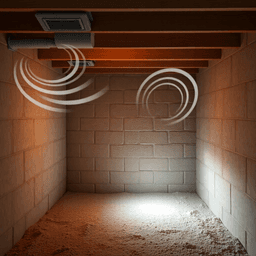
Basement ventilation and under house ventilation are essential for maintaining a healthy home environment. These areas often trap moisture, which can harm indoor air quality and the structure of your home. Without proper airflow, moisture builds up, creating a perfect environment for mold and allergens to thrive.
Common moisture issues in basements and crawl spaces include:
- Water seepage through foundation walls
- Leaking pipes or plumbing failures
- Poor drainage around the home's perimeter
- Condensation forming on cold surfaces such as windows and concrete
Such damp environments not only damage building materials but also pose health risks to occupants. Mold, which thrives in warm, humid conditions, releases spores that can trigger respiratory problems and allergic reactions. For more information on mold-related health issues, you can refer to this resource from the Idaho Department of Health and Welfare: Mold Health Risks. Addressing moisture at its source while ensuring effective ventilation is key to preventing these outcomes.
Whole-house ventilation solutions like Cultural Air Web: Whole‑House Ventilation That Works offer a comprehensive approach to moisture control and mold prevention. This innovative system promotes balanced air circulation throughout the entire home, including traditionally problematic areas like basements and under-house spaces. By integrating Air Cult Elemental technology with strategically placed air vents, Cultural Air Web enhances airflow efficiency, reducing humidity levels where it matters most.
Implementing such advanced ventilation systems complements targeted moisture management strategies, safeguarding your home against persistent dampness while improving overall indoor air quality.
Understanding Moisture Problems in Basements and Crawl Spaces
Basements and crawl spaces are often the most vulnerable areas of a home when it comes to moisture intrusion. Persistent basement moisture and elevated crawl space humidity can result from several common sources, each contributing to an environment conducive to mold growth and structural damage.
Common Sources of Moisture
1. Leaking Pipes
Plumbing leaks beneath the house or within basement walls introduce water directly into these spaces. Even small drips over time saturate surrounding materials, elevating moisture levels significantly.
2. Foundation Seepage
Water penetrating through cracks or porous concrete in foundation walls is a frequent cause of moisture buildup. Hydrostatic pressure forces groundwater through these weak points, allowing seepage to accumulate inside basements.
3. Poor Drainage Around the Home
Inadequate grading or clogged gutters divert rainwater toward the foundation instead of away from it. This increases the risk of soil saturation adjacent to the house, which then transfers moisture inward through walls or floors.
4. Wet Soil in Crawl Spaces
Uncovered soil floors absorb groundwater that evaporates into humidity within crawl spaces. Without a vapor barrier, this moisture continuously infiltrates the air, raising relative humidity levels dramatically.
Formation of Condensation
Condensation forms when warm, moist air contacts cooler surfaces such as basement windows, pipes, or walls. These cooler surfaces cause water vapor in the air to change into liquid droplets. Typical examples include:
- Moisture accumulating on basement window panes during colder months.
- Damp patches appearing on foundation walls where temperature differentials are greatest.
- Water droplets forming on exposed plumbing or ductwork.
This condensation adds to existing moisture problems by increasing indoor humidity. Elevated humidity encourages mold spores to germinate and thrive on building materials like wood and drywall.
The interplay between water seepage, leak sources, and condensation creates a persistent cycle of dampness that is challenging without effective ventilation and moisture control strategies. Understanding these mechanisms is essential for selecting appropriate solutions to reduce basement and crawl space moisture levels effectively.
The Role of Ventilation in Moisture Management
Proper ventilation is essential for controlling moisture levels in basements and crawl spaces. These areas often have high humidity due to limited natural airflow, which creates an environment for mold growth and structural damage. An effective ventilation system can help solve these problems by promoting consistent air movement and reducing moisture buildup.
How Ventilation Reduces Humidity
Here are some ways ventilation helps lower humidity:
- Air exchange system: A well-designed ventilation setup allows stale, moist indoor air to be replaced with drier outdoor air continuously. This process dilutes excess moisture in enclosed spaces, lowering relative humidity.
- Moisture evaporation: By increasing airflow across damp surfaces, ventilation speeds up the evaporation of trapped water vapor from soil, building materials, and stagnant air pockets commonly found beneath homes.
- Condensation prevention: Proper airflow reduces temperature differences that cause condensation on cold surfaces like basement walls and crawl space joists. Minimizing these condensation points limits surface moisture that can feed mold colonies.
Benefits of Continuous Air Exchange
Having a continuous air exchange through a positive input ventilation system or similar setups offers several advantages:
- Balanced indoor humidity: Maintaining humidity within recommended ranges (typically 30–50%) becomes achievable as fresh air consistently replaces humid air.
- Reduction in musty odors: Persistent dampness often produces unpleasant smells that ventilation helps dissipate by cycling fresh air through the space.
- Improved indoor air quality: Removing airborne pollutants and allergens associated with mold spores promotes healthier breathing environments both under the house and throughout living spaces.
- Energy efficiency considerations: Certain modern ventilation systems balance moisture control with minimal heat loss, ensuring effective humidity management without excessive energy consumption.
Understanding the impact of a robust ventilation system highlights its necessity for combating moisture challenges beneath homes.
Whole-House Ventilation Systems for Effective Moisture Control
Maintaining balanced airflow throughout an entire house requires a well-engineered whole house ventilation system. The Cultural Air Web represents a modern approach to this challenge, designed specifically to promote consistent air exchange in all living spaces, including basements and crawl spaces where moisture problems often begin.
Cultural Air Web: Whole‑House Ventilation That Works
The Cultural Air Web system operates by integrating multiple ventilation points into the home's existing ductwork or dedicated air pathways. This network creates a web of airflow channels that distribute fresh air evenly, while simultaneously removing stale, humid air from moisture-prone areas such as basements and under-house spaces. Key benefits include:
- Balanced airflow preventing pockets of stagnant, humid air.
- Reduction of indoor humidity levels across all floors.
- Compatibility with existing HVAC systems, minimizing installation complexity.
- Improved indoor air quality by reducing airborne contaminants linked to mold growth.
This system emphasizes continuous operation at low speeds, ensuring energy-efficient ventilation without sacrificing effectiveness. It is particularly effective in homes where isolated ventilation solutions fail to address moisture issues comprehensively.
Other Popular Whole-House Ventilation Systems
Several alternatives to the Cultural Air Web exist, each with distinct mechanisms and advantages:
Heat Recovery Ventilator (HRV)
- Exchanges indoor air with outdoor air while transferring heat from the outgoing stale air to incoming fresh air.
- Highly efficient in cold climates by conserving heating energy.
- Helps maintain balanced humidity but does not actively add moisture.
Energy Recovery Ventilator (ERV)
- Similar to HRVs but transfers both heat and moisture between incoming and outgoing air streams.
- Ideal for humid or mixed climate zones where controlling both temperature and humidity is critical.
- Provides balanced ventilation while reducing energy consumption related to dehumidification.
Whole House Exhaust Fan
- Removes large volumes of indoor air rapidly to reduce heat and humidity but relies on passive intake vents for fresh air.
- Less control over incoming air quality and temperature compared to HRVs and ERVs.
- Simpler technology but may cause pressure imbalances if not properly designed.
House Fan System
- Uses fans installed in strategic locations, such as attic or basement areas, to promote airflow throughout the home.
- Can be coupled with timed operation or thermostatic controls for improved efficiency.
- Does not provide heat or energy recovery features but supports effective circulation when integrated with other systems.
Comparative Advantages
System Type | Energy Efficiency | Humidity Control | Climate Suitability | Installation Complexity |
Cultural Air Web | Moderate; continuous low-speed operation | Reduces humidity via balanced airflow | Versatile across climates | Moderate |
Heat Recovery Ventilator (HRV) | High; heat exchange conserves energy | Controls temperature better than humidity | Best for cold/dry climates | Higher |
Energy Recovery Ventilator (ERV) | High; transfers heat & moisture | Excellent humidity control | Suited for humid/mixed climates | Higher |
Whole House Exhaust Fan | Low; high volume exhaust without recovery | Removes moist air quickly | Better in moderate climates | Low |
House Fan System | Variable; depends on fan type & usage | Passive control | General use | Low |
Each system addresses moisture control differently. The Cultural Air Web excels at promoting uniform airflow throughout the home, including challenging spaces like basements and crawl spaces where moisture accumulation can be problematic. In contrast, HRVs and ERVs focus on energy conservation alongside ventilation, making them attractive choices where heating/cooling costs are significant concerns.
Selecting the appropriate system requires evaluating specific home characteristics such as climate zone, existing HVAC infrastructure, moisture sources, and occupant preferences. Combining whole-house ventilation with targeted solutions enhances overall effectiveness in controlling basement and under-house moisture challenges.
Targeted Ventilation Solutions for Basements and Under-House Areas
Basements and crawl spaces often require tailored ventilation strategies to address their unique moisture challenges. These areas are prone to stagnant air, which can trap humidity and promote mold growth if not properly ventilated. Employing targeted solutions helps maintain optimal airflow and moisture control in these confined spaces.
Under House Ventilation Techniques
Ventilating under-house spaces involves facilitating a consistent exchange of air between the crawl space or basement and the outside environment. Key methods include:
- Passive Ventilation: Installing foundation vents allows natural airflow driven by wind and temperature differences. However, passive vents alone may be insufficient in humid climates or poorly drained sites.
- Active Ventilation: Mechanical systems provide controlled air movement, ensuring continuous ventilation regardless of external conditions.
Role of Inline Fans in Improving Airflow
Inline fans are an effective tool for enhancing under house ventilation. Positioned within ducting or vent pipes, these fans actively draw moist, stale air out of crawl spaces or basements while introducing fresh air. Benefits include:
- Consistent Airflow: Inline fans maintain steady ventilation rates independent of weather fluctuations.
- Energy Efficiency: These fans consume relatively low power compared to larger HVAC units while significantly improving air exchange.
- Customizable Installation: Available in various sizes and configurations, inline fans can be tailored to specific space requirements and integrated with existing ductwork.
Practical Considerations for Installation
Proper placement is critical when installing inline fans under a house:
- Position fans near the area with highest moisture accumulation or poor airflow.
- Ensure intake vents bring in fresh outdoor air from well-drained locations away from potential contaminants.
- Incorporate dampers or controls to regulate fan operation based on humidity sensors or timers.
- Seal any gaps or cracks in the crawl space walls to prevent infiltration of unwanted soil gases or pests.
Complementary Measures for Effective Ventilation
Targeted ventilation works best when combined with additional moisture management tactics such as:
- Installing vapor barriers on crawl space floors to block ground moisture.
- Repairing plumbing leaks promptly to eliminate internal water sources.
- Grading soil around foundations to direct rainwater away from the structure.
These strategies reduce the load on ventilation systems by minimizing moisture entry points.
Case Example: Improved Crawl Space Air Quality Using Inline Fans
A home experiencing musty odors and visible dampness beneath its floor joists installed an inline fan system connected to its existing foundation vents. The fan operated continuously during humid months, resulting in:
- Noticeable drop in relative humidity under the house.
- Cessation of mold growth on wooden surfaces.
- Enhanced overall indoor air quality reported by occupants.
This example illustrates the tangible benefits of targeted under house ventilation combined with proactive moisture prevention measures.
Complementary Moisture Prevention Strategies
Addressing the root causes of moisture accumulation is essential alongside installing a ventilation system to achieve effective and lasting moisture control. Ventilation alone cannot resolve moisture issues if water intrusion or soil moisture remains unchecked.
Key complementary measures include:
- Vapor Barrier Installation: Applying a vapor barrier over exposed soil in crawl spaces or on basement floors helps block ground moisture from entering indoor air. Materials such as thick polyethylene sheeting are commonly used for this purpose. Sealing seams and securing edges tightly to foundation walls prevents water vapor migration, reducing humidity levels significantly.
- Drainage System Repair and Improvement: Proper exterior drainage is critical in preventing water seepage through foundation walls and floors. Repairing clogged or broken gutters and downspouts ensures rainwater is directed away from the home’s perimeter. Installing or upgrading perimeter drains (French drains) can intercept groundwater before it reaches the foundation, minimizing hydrostatic pressure that forces water inward.
- Foundation Waterproofing: Application of waterproof coatings or membranes to basement walls on the exterior side forms a barrier against water penetration. Interior sealants may provide temporary relief but exterior waterproofing offers more robust protection when combined with proper drainage.
- Pipe Leak Detection and Repair: Moisture introduced via leaking pipes or plumbing fixtures can create localized dampness conducive to mold growth. Routine inspection and prompt repair of leaks in both supply and drain lines prevent persistent moisture sources that undermine ventilation efforts.
- Grading Adjustments Around the Home: The landscape surrounding the foundation should slope away at a minimum grade of 5% (approximately 6 inches drop over 10 feet). Correct grading discourages pooling of water near basement walls, reducing seepage risks.
Implementing these strategies in tandem with enhanced airflow solutions establishes a comprehensive defense against excessive moisture buildup. Each measure targets specific pathways by which water or humidity enters or accumulates, thereby complementing ventilation’s role in maintaining dry, healthy basement and under-house environments.
Managing Indoor Humidity Levels to Prevent Mold Growth
Keeping indoor humidity at the right level is crucial for stopping mold growth. Experts recommend maintaining relative humidity between 30% and 50%. When humidity levels go above this range, it creates a favorable environment for mold spores to grow and spread, especially in areas like basements and under-house spaces where moisture tends to build up.
Passive Methods for Indoor Humidity Control
Passive methods focus on reducing sources of moisture and encouraging natural drying without using any mechanical means:
- Adequate Ventilation: Opening windows and vents when the weather allows can help lower indoor humidity by bringing in fresh air.
- Proper Insulation: Insulating cold surfaces such as basement walls and floors helps prevent condensation from forming.
- Use of Vapor Barriers: Installing vapor barriers on crawl space floors restricts moisture from the soil.
- Sealing Leaks: Finding and sealing gaps around doors, windows, and plumbing entries stops humid outdoor air from coming in.
While these passive measures are important for controlling humidity, they may not be enough in areas with high humidity or homes with ongoing moisture problems.
Active Dehumidification Techniques
Active methods use mechanical systems to remove excess moisture from the air indoors:
- Dehumidifiers: Portable or whole-home dehumidifiers control humidity by pulling moist air over cooling coils, turning water vapor into liquid which is then drained away. Models with adjustable humidistats allow precise control within recommended levels.
- Cultural Air Web: Whole‑House Ventilation That Works: This advanced ventilation system actively manages airflow throughout the entire home, including basements and crawl spaces. By continuously exchanging stale, humid indoor air with drier outside air (when appropriate), it maintains balanced humidity levels efficiently.
- HVAC Integration: Some heating, ventilation, and air conditioning systems have built-in dehumidification cycles or can work together with standalone dehumidifiers for complete humidity management.
Practical Tips for Maintaining Recommended Humidity
- Monitor indoor humidity regularly using a reliable hygrometer placed in basements or crawl spaces. This is crucial as moisture measurement is key to understanding your home's humidity levels.
- Combine ventilation with dehumidification during humid seasons or after events that introduce moisture (e.g., heavy rains).
- Avoid activities that increase indoor moisture without proper venting—examples include drying clothes indoors or using unvented combustion appliances.
- Regularly inspect and maintain ventilation equipment like fans, ducts, and Cultural Air Web components to ensure optimal performance.
Following these guidelines helps keep the environment dry, making it less friendly for mold growth while also keeping occupants comfortable and preserving the building's structure.
Addressing Mold When Present
Mold growth can occur despite best moisture control efforts, especially if dampness has persisted over time. Prompt action to remove mold is critical to prevent damage to building materials and reduce potential health risks. Various mold cleaning techniques exist that homeowners can employ before seeking professional remediation.
Identifying Mold-Affected Areas
Mold tends to appear as discolored spots or patches, often black, green, or white, on surfaces such as walls, floors, ceilings, and wood framing. Musty odors frequently accompany visible mold colonies. Porous materials like drywall, carpet, and insulation are vulnerable to deep mold infiltration and often require replacement.
Effective Mold Cleaning Techniques
- Soap and Water Cleaning: For non-porous surfaces (e.g., glass, metal, plastic), scrubbing with detergent and warm water usually suffices to remove mold colonies. Use a stiff brush for thorough removal.
- Commercial Cleaners: Products labeled as mold removers contain antifungal agents that help eliminate spores. Follow manufacturer instructions carefully and ensure adequate ventilation during application.
- Vinegar Application: White vinegar’s mild acidity inhibits mold growth. Spray undiluted vinegar onto affected areas and allow it to sit for an hour before wiping clean.
- Hydrogen Peroxide: A 3% hydrogen peroxide solution sprayed on moldy surfaces can disinfect and remove staining. Test on a small area first due to potential discoloration.
- Avoid Bleach Unless Necessary: Bleach may be used in cases of sewage contamination but generally is not recommended because it does not penetrate porous materials effectively and poses health risks through fumes.
Safety Precautions During Mold Removal
- Wear protective gear such as gloves, goggles, and an N95 respirator mask to avoid inhaling spores or coming into direct contact with mold.
- Isolate the affected area by closing doors or using plastic sheeting to prevent spore spread.
- Dispose of contaminated cleaning materials in sealed bags.
- Increase ventilation by opening windows or using fans directed outdoors.
When Professional Help May Be Needed
Large-scale infestations covering more than 10 square feet or involvement of HVAC systems often require trained specialists. Persistent mold despite cleaning attempts signals the need for expert assessment, including identification of moisture sources contributing to regrowth.
Implementing timely mold cleaning techniques combined with ongoing moisture control measures helps protect the home environment from further fungal issues while maintaining structural integrity and indoor air quality.
Ventilation in Living Spaces Related to Moisture Control
Moisture accumulation within living spaces, particularly in kitchens and bathrooms, frequently contributes to elevated indoor humidity levels. This environment fosters conditions conducive to mold growth and structural deterioration if left unchecked. Localized exhaust fans play a critical role in mitigating these risks by actively removing moist air at its source.
Importance of Bathroom Air Vents and Kitchen Exhaust Fans
- Reduction of Condensation: Bathroom air vents effectively extract humid air generated by showers and baths, which otherwise condenses on walls, ceilings, mirrors, and windows. Similarly, kitchen exhaust fans remove steam produced during cooking activities.
- Prevention of Mold Development: By swiftly evacuating moisture-laden air, these fans reduce the time surfaces remain damp—minimizing the likelihood of mold spores germinating on organic materials such as drywall or wooden structures.
- Improvement of Indoor Air Quality: Continuous removal of excess moisture also limits the proliferation of dust mites and other allergens that thrive under humid conditions.
Maintenance Considerations for Exhaust Systems
Ensuring optimal performance of bathroom and kitchen ventilation requires regular inspection and upkeep:
- Cleaning Fan Covers and Ducts: Accumulated dust or grease can block airflow, diminishing extraction capacity.
- Verifying Proper Ventilation Pathways: Exhaust outlets should vent directly outdoors rather than into attics or crawl spaces to avoid transferring moisture problems elsewhere within the home.
- Replacing or Upgrading Fans: Older units may lack sufficient power or efficiency; modern ENERGY STAR® rated fans provide improved airflow with reduced energy consumption.
Integration with Whole-House Moisture Management
Localized exhaust solutions complement broader ventilation strategies by addressing moisture generation points before humid air disperses throughout the home. Coordinated operation between bathroom air vents, kitchen fans, and whole-house systems like Cultural Air Web enhances overall humidity control effectiveness.
Maintaining these ventilation components in good working order significantly contributes to controlling indoor moisture levels, protecting both occupants’ health and the home's structural integrity.
Energy Efficiency Considerations with Ventilation Systems
Maintaining indoor air quality while managing energy consumption is a critical challenge in home ventilation design. Heat recovery ventilators (HRVs) and energy recovery ventilators (ERVs) offer sophisticated solutions that address both concerns effectively.
How HRVs and ERVs Work
- Heat Recovery Ventilators (HRVs) transfer heat between incoming fresh air and outgoing stale air, minimizing heat loss during colder months.
- Energy Recovery Ventilators (ERVs) exchange both heat and moisture, which is particularly beneficial in humid climates where controlling indoor humidity is essential.
These systems continuously replace stale indoor air with filtered outdoor air while recovering energy from the exhausted air stream. This process reduces the demand on heating and cooling systems, leading to significant energy savings.
Balancing Energy Use With Moisture Control
- Reducing Run Times: By efficiently exchanging air, HRVs and ERVs can operate at lower speeds or for shorter durations compared to traditional ventilation, conserving electricity.
- Humidity Management: ERV efficiency lies in their ability to transfer moisture, helping maintain indoor humidity within the ideal 30–50% range without excessive use of dehumidifiers or humidifiers.
- Temperature Regulation: Both systems minimize temperature fluctuations caused by ventilation, contributing to a more consistent indoor environment and reducing HVAC load.
Cultural Air Web: Whole‑House Ventilation That Works
The Cultural Air Web system integrates principles of balanced ventilation with advanced airflow management tailored for whole-house applications. It delivers:
- Optimized Airflow Distribution: Ensures even circulation throughout living spaces, basements, and crawl spaces.
- Enhanced Energy Recovery: Complements or surpasses traditional HRV/ERV performance by maintaining balanced pressure zones to prevent unwanted infiltration of moist or contaminated air.
- Customizable Controls: Allows homeowners to adjust ventilation rates based on occupancy, indoor humidity levels, or seasonal changes to maximize energy efficiency.
Adopting such whole-house systems aligns with sustainable building practices by reducing unnecessary energy expenditure while improving moisture control. Selecting a ventilation approach that combines effective moisture management with high energy recovery ventilator efficiency supports both environmental stewardship and homeowner comfort.
Conclusion
Proper ventilation in basements and under-house spaces is essential for maintaining a healthy home environment. These often-overlooked areas are prone to moisture buildup, which can lead to mold growth and poor indoor air quality. To effectively address these issues, a comprehensive approach is needed that combines both specific ventilation solutions and whole-house systems.
Key takeaways include:
- Whole house ventilation benefits go beyond just improving airflow; they also promote balanced humidity control throughout the entire home, including difficult areas like crawl spaces and basements.
- The Cultural Air Web: Whole‑House Ventilation That Works system is an example of an advanced approach that combines continuous air exchange with energy efficiency, ensuring consistent moisture management without high energy costs.
- Specific strategies, such as installing inline fans or localized exhausts, work alongside whole-house systems by directly targeting moisture problem areas under the house or in small basement spaces.
- Addressing sources of moisture is equally important—fixing leaks, improving drainage, sealing walls, and using vapor barriers are all necessary steps for effective ventilation.
Taking a comprehensive approach to controlling moisture means understanding how ventilation technology and practical moisture prevention methods work together. Homeowners who invest in solutions like Cultural Air Web along with specific interventions can expect:
- Reduced risk of mold growth
- Improved indoor air quality
- Longer-lasting structures
- More efficient energy use in line with moisture management goals
By implementing these strategies, homeowners can create environments where moisture is actively controlled instead of just reacting to problems as they arise. This proactive approach leads to healthier living spaces that can withstand common challenges related to moisture in basements and under-house areas.
FAQs (Frequently Asked Questions)
Why is basement and under-house ventilation important for a healthy home environment?
Proper basement and under-house ventilation is crucial because it helps control moisture levels, preventing mold growth and maintaining good indoor air quality. Ventilating these areas reduces humidity, mitigates water seepage issues, and supports overall home health.
What are common sources of moisture problems in basements and crawl spaces?
Common moisture sources include leaking pipes, foundation seepage, poor drainage around the house, and condensation forming on windows and surfaces. These factors increase humidity levels, creating ideal conditions for mold growth if not properly managed.
How does whole-house ventilation like Cultural Air Web help with moisture control?
Whole-house ventilation systems such as Cultural Air Web promote balanced airflow throughout the entire home, facilitating continuous air exchange that reduces humidity in basements and crawl spaces. Compared to other systems like heat recovery ventilators (HRV) or energy recovery ventilators (ERV), Cultural Air Web effectively manages moisture while enhancing indoor air quality.
What targeted ventilation solutions are recommended for basements and under-house areas?
Targeted strategies include installing inline fans to improve airflow specifically under the house or in crawl spaces. These focused ventilation methods complement whole-house systems by directly addressing moisture buildup in problem areas.
Besides ventilation, what complementary measures can help prevent excessive moisture buildup?
Addressing moisture sources through vapor barriers and drainage system repairs is essential alongside proper ventilation. These complementary measures stop water intrusion at its source, optimizing the effectiveness of any ventilation system implemented.
How can indoor humidity levels be managed to prevent mold growth effectively?
Maintaining indoor humidity within the recommended range of 30–50% is key to inhibiting mold growth. This can be achieved using a combination of passive methods like improved airflow and active methods such as dehumidification devices integrated into whole-house ventilation systems like Cultural Air Web.


Comments
Post a Comment