Architecture from 30 years ago for Digital Nomads: What Hotels Miss ( SEO Idiot Abroad on Holiday )
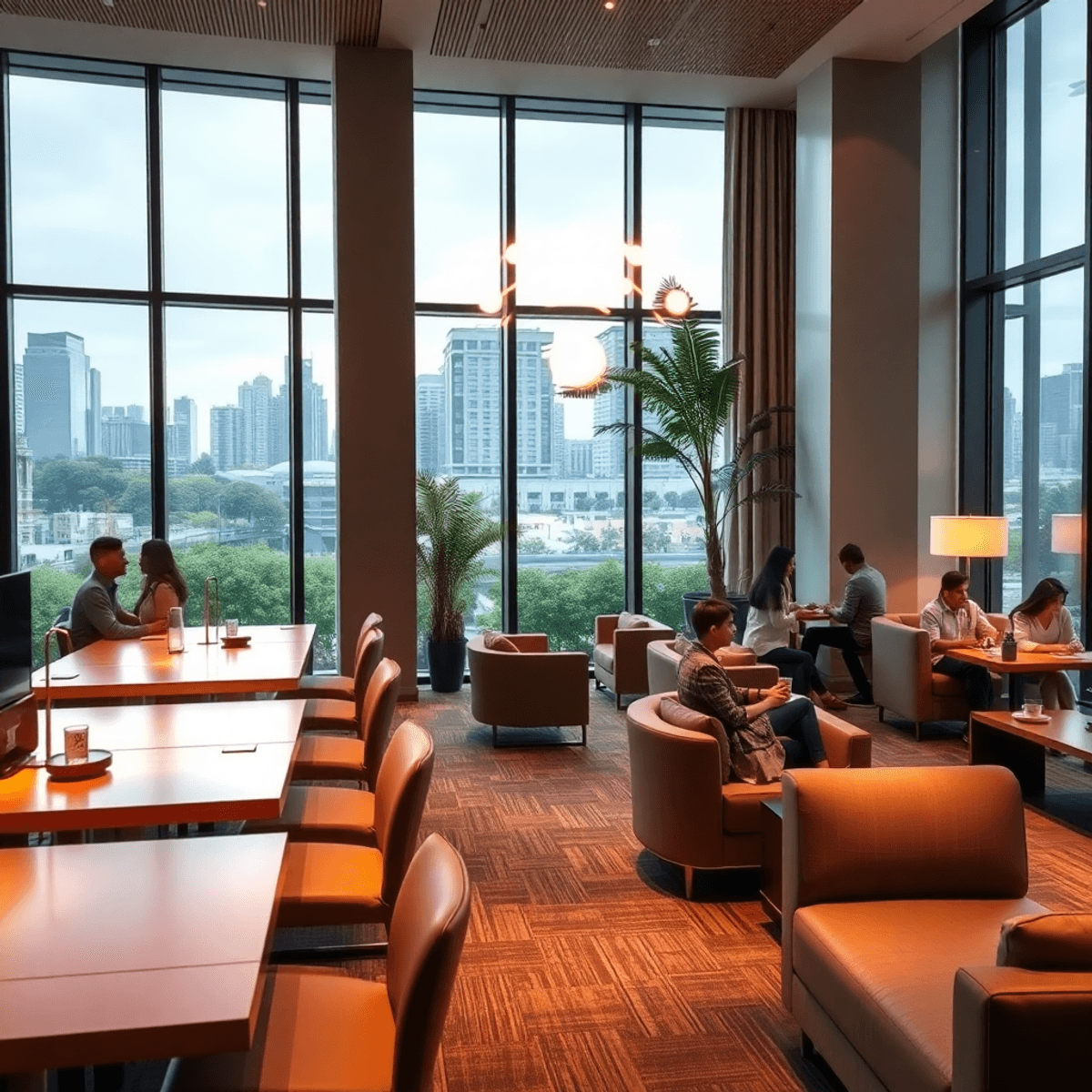
Hotel architecture design 30 years ago focused heavily on luxury, comfort, and visual appeal. Buildings often reflected classical or contemporary styles popular at the time. The design priorities revolved around fixed functions: guest accommodation, dining venues, and event spaces like conference rooms and ballrooms. Technology played a minor role, limited mostly to basic telecommunications and entertainment systems. Physical presence and face-to-face interactions dominated the hospitality experience.
The rise of the digital nomad lifestyle has radically shifted these expectations. Digital nomads work remotely while traveling, blending professional tasks with exploration and leisure. This shift challenges traditional hotel architecture design to evolve beyond static uses toward flexible environments that integrate living and working seamlessly.
The gap between past hotel architecture design and today’s digital nomad reality highlights key missed opportunities in accommodating modern remote workers:
- Lack of adaptable spaces combining workspace and rest areas
- Insufficient technological infrastructure for high-speed connectivity
- Absence of communal areas fostering collaboration and networking
- Limited amenities supporting longer stays
This article explores those shortcomings in detail. It examines how architectural drafting principles, house architect expertise, and innovative architecture house design can inform future hospitality projects. By comparing hotel architecture design 30 years ago vs. today's digital nomad demands, you gain insight into what hotels must embrace to remain relevant in a mobile world.
Hotel Architecture Design 30 Years Ago: Characteristics and Priorities
Traditional hotel design from three decades ago revolved around a clear set of priorities shaped by the hospitality needs of that era. Building architects focused heavily on creating spaces that projected luxury, comfort, and aesthetic appeal, often drawing inspiration from classical architecture or contemporary styles popular at the time. The visual impact played a central role in attracting guests, with ornate facades, grand lobbies, and elegant interior finishes signaling status and sophistication.
Key features of hotel architecture then included:
- Fixed functions clearly separated within the building layout:
- Accommodation areas consisting mostly of private rooms
- Dining facilities such as formal restaurants or cafes
- Event hosting spaces including large lobbies and conference rooms designed for meetings or social gatherings
Technology was minimal by today’s standards. The infrastructure supported only basic telecommunications—landline phones in rooms were standard—and entertainment options were limited to television sets with cable access. There was no anticipation of widespread internet use or smart device integration.
The design philosophy placed strong emphasis on physical presence and face-to-face interactions. Hotels functioned as places where personal encounters, in-person meetings, and socializing were expected components of the guest experience. This meant architectural layouts encouraged movement towards communal areas like lobbies and banquet halls rather than providing private or flexible workspaces.
Many hotels followed a somewhat rigid model that can be described ironically as “design for idiots” — built to serve straightforward functions without much adaptability or technological foresight. Spaces were often standardized, resembling a kind of bank-like efficiency prioritizing predictability over innovation or user customization.
This static approach reflected how hospitality was understood: a service industry catering mainly to travelers who stayed briefly for leisure or business trips requiring physical presence at events or offices elsewhere.
The absence of adaptable environments tailored for extended stays or remote work reveals the gap between traditional hotel architecture and the emerging demands brought by digital nomadism today.
The Rise of Digital Nomads and Changing Hospitality Needs
Digital nomads are individuals who use technology to work remotely while traveling or living in different locations. This lifestyle has grown significantly in recent years, thanks to improvements in internet access, mobile devices, and online collaboration tools. The increase in remote work as a common way of working has also contributed to this shift, leading to new expectations for how living and working spaces should be designed.
Key Factors Defining the Needs of Digital Nomads
Here are some important factors that define the changing needs of digital nomads:
1. Flexibility in Space Usage
The traditional boundaries between home, office, and social spaces no longer exist. Digital nomads need environments that allow for smooth transitions between focused work, relaxation, and socializing. Architecture and design should prioritize areas that can serve multiple purposes and adapt quickly to different activities throughout the day.
2. Connectivity as a Core Requirement
Fast and reliable internet access is essential for digital nomads. In addition to basic Wi-Fi, infrastructure that supports video conferencing, cloud computing, and smart device integration is also crucial. Without internet connectivity that meets professional needs, productivity will suffer greatly.
3. Community and Interaction
Remote work can be lonely without opportunities for social interaction. Digital nomads look for communal spaces within their accommodations where they can network, exchange ideas, or simply connect with others facing similar challenges. These interactions enhance creativity and emotional well-being.
4. Wellbeing and Work-Life Balance
The blending of work and personal life requires environments that promote mental and physical health. Access to natural light, ergonomic furniture, quiet areas for concentration, and wellness amenities contribute to sustained productivity during extended stays.
The Impact on Hospitality Design
The impact on hospitality design is significant. Accommodations must transform from fixed lodging facilities into flexible ecosystems that support the digital nomad lifestyle. This involves rethinking spatial layouts, technological infrastructure, and community-building features to align with the shifting priorities influenced by remote work trends and lifestyle changes.
What Traditional Hotel Architecture Missed for Digital Nomads
The contrast between hotel architecture design 30 years ago vs. today's digital nomad reality reveals clear gaps rooted in the past vs reality of guest needs. Many hotels from that era suffer from what could be called design for idiots—simple, overlooked needs that modern travelers require but were absent or underestimated in earlier architectural drafting.
Lack of Adaptable Spaces
Traditional hotels prioritized fixed functions: sleeping, dining, meeting rooms. Workspaces, if present, were usually business centers isolated from living areas and designed for brief usage rather than extended productivity.
- No seamless blending of living and working functions
- Rooms built primarily for rest, not multi-purpose use
- Limited or no ergonomic furniture suitable for long hours at a desk
This rigid separation forces digital nomads to improvise work setups that reduce efficiency and comfort.
Insufficient Technological Infrastructure
Thirty years ago, technology was minimal—wired phones and basic TV systems dominated. The infrastructure did not anticipate the demand for:
- High-speed internet connectivity capable of supporting video calls, large file transfers, and VPN access
- Reliable Wi-Fi coverage throughout every corner of the hotel
- Smart devices integration such as automated lighting, climate control, or digital concierge services
Architectural plans rarely included dedicated spaces or conduits optimized for extensive data cabling or wireless network equipment.
Absence of Communal Workspaces
Social interaction remains vital for many remote workers who seek community beyond their screens. Traditional hotels often lacked:
- Communal work areas designed explicitly for collaboration or networking among guests
- Soundproof booths or quiet zones tailored to virtual meetings
- Lounge spaces encouraging informal gatherings and idea exchange
Without these features, digital nomads miss out on valuable peer connections that enhance productivity and wellbeing.
Limited Amenities for Longer Stays
Hotels 30 years ago were optimized mainly for short-term visits. This approach overlooks key necessities for extended stays common among digital nomads:
- Kitchenettes or small cooking facilities allowing self-catering
- Laundry services easily accessible within rooms or nearby
- Storage space accommodating personal work equipment and belongings
Failing to address these practical aspects causes discomfort and inconvenience during prolonged residencies.
The architectural drafting flaws embedded in many older hotel designs stem from a time when hospitality centered on physical presence rather than continuous connectivity and flexibility. These shortcomings underscore how far hotel architecture design 30 years ago falls short against the demands of today's mobile workforce.
Modern Hotel Architecture Responding to Digital Nomad Realities
Hotel design today reflects a clear shift toward flexible workspace design and tech-driven convenience, addressing the specific needs of digital nomads.
Co-Working Areas
The integration of co-working areas has become a staple in modern hotels. These spaces often include:
- Soundproof booths tailored for private calls and video conferences, ensuring guests can maintain professional communication without distractions, similar to a smart office set up.
- Open desks equipped with ergonomic furniture and abundant power outlets to support various work styles.
Communal Lounges
Communal lounges play a vital role in fostering social interaction among travelers who might otherwise experience isolation. These lounges are designed to encourage networking, collaboration, and relaxation, blending informal meeting spots with comfortable seating arrangements.
Smart Technologies
Smart technologies enhance guest convenience and sustainability initiatives. Contactless check-in and check-out systems reduce friction during arrivals and departures, streamlining the guest experience with minimal physical contact. Energy-efficient lighting, HVAC controls, and smart room controls allow personalized comfort settings while reducing environmental impact.
Multi-Functional Rooms
Multi-functional rooms address the demand for adaptability during extended stays. These rooms feature modular furniture that transforms living areas into productive workspaces by day and restful retreats by night. Additional amenities such as kitchenettes, ample storage, and laundry facilities cater to longer-term residents who require more than just a place to sleep.
Design Strategies
Design strategies emphasize seamless transitions between work and leisure within the same environment. This approach recognizes that digital nomads value flexibility—spaces must serve dual purposes without compromising comfort or productivity.
By prioritizing these elements, modern hotel architecture responds directly to the lifestyle shifts brought about by remote work trends, creating environments where digital nomads can thrive professionally and personally.
Sustainability and Location Considerations in Contemporary Hotel Design
Sustainability in architecture plays a crucial role in shaping modern hotels, especially those aiming to attract digital nomads. Building architects increasingly prioritize environmentally friendly materials such as recycled steel, bamboo, and low-VOC paints. These choices reduce the ecological footprint of construction while promoting healthier indoor air quality for guests.
Energy-Saving Technologies
Energy-saving technologies have become standard features. Examples include:
- Solar panels and geothermal systems to generate renewable energy on-site
- LED lighting combined with smart controls that adjust brightness based on occupancy and natural light
- High-performance insulation and glazing to minimize heating and cooling demands
Such innovations deliver cost savings for hotel operators and align with the values of eco-conscious travelers who seek accommodations reflecting their commitment to sustainability.
The Importance of Location
The location of a hotel deeply influences guest experience, productivity, and creativity. Two main types of settings dominate contemporary design strategies:
- Vibrant urban centers: These provide access to cultural attractions, dining options, networking opportunities, and public transportation. Being close to business hubs can be essential for nomads balancing work with exploration. Urban environments often inspire innovation through dynamic cityscapes and diverse communities.
- Scenic natural locations: Hotels situated near mountains, coastlines, or forests offer tranquil surroundings that promote relaxation and mental clarity. Such environments support wellbeing during intensive remote work periods by reducing stress and encouraging outdoor activities.
Wellness Centers as Essential Amenities
Wellness centers are becoming indispensable amenities in hotels targeting digital nomads. These facilities address physical and mental health needs that arise from extended stays away from home. Common features include:
- Fitness gyms equipped with cardio machines and free weights
- Yoga and meditation rooms designed for quiet reflection
- Spa services offering massages, hydrotherapy, or aromatherapy
- Nutritional cafes serving balanced meals tailored to active lifestyles
Incorporating wellness into hotel design reflects an understanding that productivity is closely linked to guest wellbeing. As seen in designing for wellness, the building architect’s role expands beyond aesthetics or function; they now integrate holistic approaches that support health through spatial layout, material choices, lighting quality, and access to nature.
This focus on sustainability combined with thoughtful location selection creates environments where digital nomads feel both connected and rejuvenated—key factors driving the evolution of hospitality architecture today.
Lessons from Past Designs to Inform Future Hotel Architecture
Understanding the architectural lessons from hotel design 30 years ago reveals key gaps in flexibility and technology integration. Older hotels were built around fixed functions and formal aesthetics, which limited their ability to adapt to evolving guest needs—especially those of digital nomads. The lack of modularity in spatial layouts often means that repurposing rooms or common areas for work-life balance is challenging. Technology infrastructure was an afterthought, resulting in insufficient support for high-speed internet, smart devices, or seamless connectivity.
Insights from home architects and home architecture design offer valuable parallels for reimagining hotels today. Just as house extension architects create adaptable spaces that merge old structures with new functions, hotel architects can apply similar principles to retrofit existing properties or design fresh builds that feel personalized yet functional. This approach emphasizes:
- Flexible floor plans that allow guests to tailor spaces according to their work and leisure activities
- Integration of natural light and views through thoughtful landscape architecture, enhancing well-being and productivity
- Use of multi-purpose furniture and partitioning inspired by residential design trends to maximize space efficiency
Personalization emerges as a critical focus when borrowing from home architecture concepts. Guests expect an environment that feels less institutional and more like an extension of their own living space, especially during longer stays common among remote workers. This shift requires architects to think beyond traditional hotel zoning toward creating environments that accommodate individual rhythms and preferences.
Continuous innovation holds paramount importance for architects navigating the evolving lifestyles of travelers. Keeping pace with technological advancements—such as IoT-enabled rooms, voice-controlled systems, or AI-driven service customization—demands proactive design strategies rather than reactive fixes. Incorporating adaptability at both macro (building layout) and micro (room features) levels ensures longevity and relevance.
Landscape architecture also plays a vital role in bridging past shortcomings by offering outdoor spaces conducive to work or relaxation, a feature often overlooked in older hotels but highly valued by today's nomads seeking connection with nature.
By synthesizing lessons from hotel architecture design 30 years ago vs. today's digital nomad reality alongside insights from home architects, future projects can better harmonize comfort, functionality, and technology. This fusion paves the way for hospitality environments that respond dynamically to the diverse needs of modern travelers while honoring architectural heritage through thoughtful evolution.
Conclusion
The evolution from hotel architecture design 30 years ago to today’s digital nomad reality reveals a significant shift in priorities and possibilities. Architects who embrace adaptable, tech-forward designs unlock a powerful reward: the ability to create spaces that resonate deeply with modern travelers’ needs.
Key aspects of this reward include:
- Designing future-proof hotel environments that seamlessly blend work and living
- Enhancing guest experience through integrated technology and flexible layouts
- Cultivating community and collaboration within hospitality spaces
This transformation is not just about aesthetics or amenities; it reflects a fundamental change in how people live and work. The hospitality industry’s ongoing challenge is to stay relevant in a mobile world where connectivity, adaptability, and sustainability define success.
Architects who lead this charge contribute to an exciting chapter in the architecture evolution, crafting hotels that are more than destinations—they become dynamic hubs supporting diverse lifestyles. This approach ensures that designs remain valuable long after their initial construction, meeting the demands of digital nomads today and well into the future.
FAQs (Frequently Asked Questions)
How did hotel architecture design 30 years ago differ from today's needs of digital nomads?
Hotel architecture design 30 years ago focused primarily on luxury, comfort, and aesthetic appeal rooted in classical or contemporary styles with fixed functions like accommodation, dining, and event hosting spaces. Technology integration was minimal, emphasizing physical presence over connectivity. In contrast, today's digital nomad reality demands flexible living and working environments with robust technological infrastructure to support remote work.
What are the key hospitality design challenges posed by the rise of digital nomads?
The rise of digital nomads has introduced challenges such as the need for adaptable spaces that seamlessly combine work and living functions, high-speed internet and smart device support, communal workspaces to encourage networking and collaboration, as well as amenities suitable for longer stays like kitchenettes and laundry facilities.
How are modern hotels adapting their architecture to accommodate digital nomads?
Modern hotel architecture incorporates co-working areas with soundproof booths for calls and video conferences, communal lounges to foster social interaction, technology such as contactless check-in/out and energy-efficient systems for convenience and sustainability, and multi-functional rooms designed for adaptability supporting extended stays.
What role does sustainability play in contemporary hotel architecture design?
Sustainability is increasingly important in hotel construction through the use of environmentally friendly materials and energy-saving technologies. Hotels are also strategically located in vibrant urban centers or scenic natural settings to enhance guest creativity and productivity while including wellness centers that promote health during extended remote work periods.
What lessons can architects learn from past hotel designs to better serve modern travelers?
Architects can learn from older designs' shortcomings related to flexibility and technology integration by applying principles from home architecture design to create personalized guest experiences. Continuous innovation is crucial to meet evolving traveler lifestyles, ensuring future-proof hotel designs that embrace adaptability and tech-forward features.
Why is embracing adaptable and technology-forward designs rewarding for architects in hospitality?
Embracing adaptable, technology-forward designs allows architects to stay relevant in a mobile world where traveler lifestyles continuously evolve. Such designs not only meet the practical needs of digital nomads but also enhance guest satisfaction, promoting sustainability and innovation that position architects as leaders in hospitality evolution.


Comments
Post a Comment